-
1
Body Composition Analysis
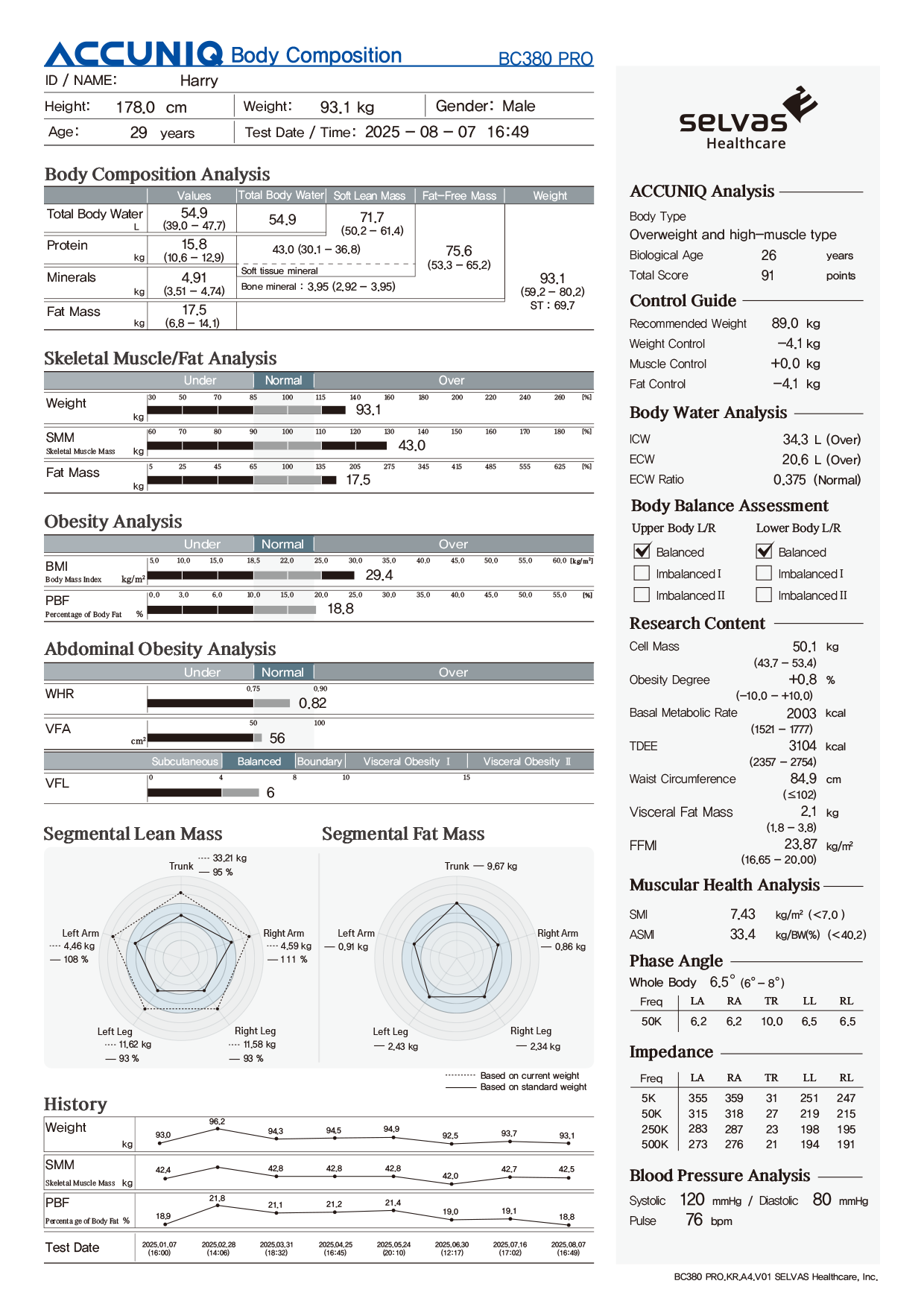
Analyzes core components including Total Body Water, Protein, Minerals, and Fat Mass. These metrics serve as fundamental indicators for assessing overall health status.
-
2
Muscle / Fat Analysis
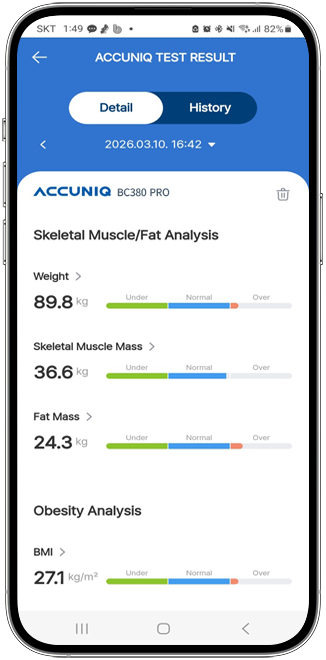
Displays Body Weight, Skeletal Muscle Mass, and Fat Mass in a graph format. This allows for an immediate comparison of the ratio between muscle and fat within total weight.
-
3
Obesity Analysis
Provides BMI and Percentage of Body Fat (PBF), the primary indicators for obesity assessment. Analyzing both external physique (BMI) and actual fat distribution (PBF) ensures a precise evaluation.
-
4
Abdominal Obesity Analysis
Evaluates abdominal fat accumulation through three specialized metrics: Waist-to-Hip Ratio (WHR), Visceral Fat Area (VFA), and Visceral Fat Level (VFL).
-
5
Segmental Analysis
Independently analyzes Muscle Mass and Fat Mass for five body segments: left/right arms, trunk, and left/right legs. Data supports targeted exercise prescription and rehabilitation by identifying regional imbalances.
- ASM (Appendicular Skeletal Muscle Mass): Represents the total skeletal muscle mass of the four limbs.
-
6
History
Tracks changes in Weight, Skeletal Muscle Mass (SMM), and PBF over time. The graph displays data from the eight most recent measurements to monitor physical trends.
-
7
ACCUNIQ Evaluation
Synthesizes measurement data to provide a body type classification, Biological Age, and a Total Score for a comprehensive health overview.
-
8
Control Guide
Suggests target adjustment values for weight, fat, and muscle mass based on the user's age and current status . Values indicate recommended increases (+) or decreases (–).
-
9
Body Water Analysis
Calculates Total Body Water (TBW) by combining Intracellular Water (ICW) and Extracellular Water (ECW). Proper water balance is essential for nutrient delivery and metabolic waste removal.
-
10
Body Balance Assessment
Evaluates symmetry between the upper/lower body and left/right sides. Results are categorized as Balanced, Imbalanced I, or Imbalanced II.
-
11
Research Content
Provides advanced clinical data, including Body Cell Mass (BCM), Basal Metabolic Rate (BMR), Total Daily Energy Expenditure (TDEE), and Fat-Free Mass Index (FFMI).
-
12
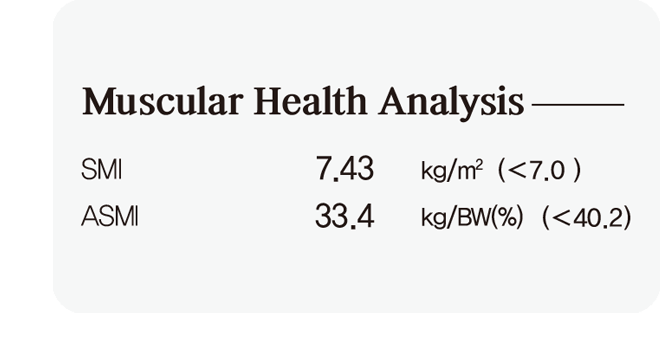
Muscle Health Assessment
Analyzes limb muscle development to provide baseline data for sarcopenia evaluation.
- SMI (Skeletal Muscle Mass Index): Limb muscle mass relative to height (kg/m²).
- ASMI (Appendicular Skeletal Muscle Mass Index): A corrected index representing the ratio of limb muscle mass to weight.
-
13
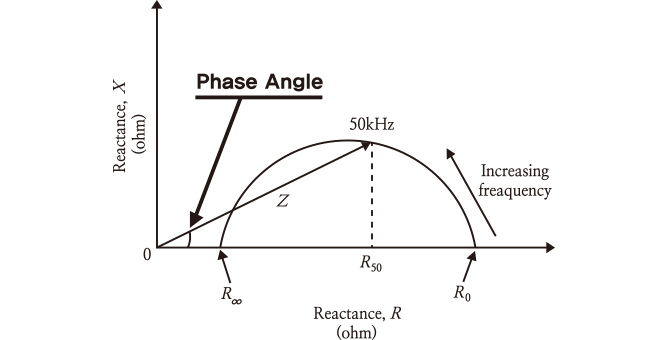
Phase Angle
Acts as a non-invasive indicator of nutritional status and cellular health. Healthy cell membranes create higher resistance at 50 kHz, resulting in a higher Phase Angle.
-
14
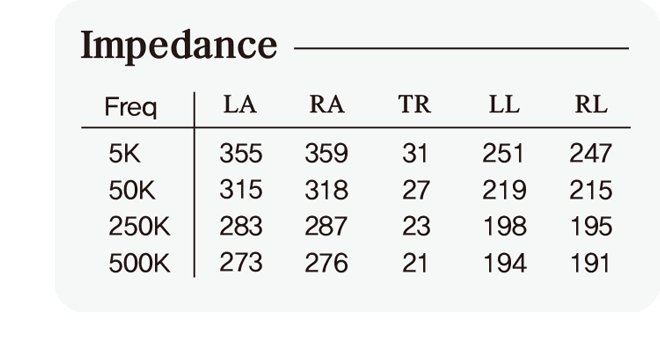
Impedance
Displays electrical resistance values for five body parts across multiple frequencies (5 kHz to 500 kHz). Consistent values across measurements verify the accuracy and reproducibility of the device.
-
15
Blood Pressure Results
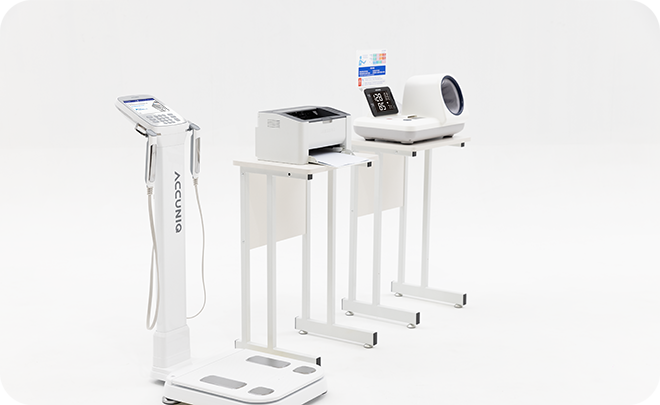
Measured blood pressure data is displayed when a compatible blood pressure monitor is connected to the analyzer. Linking weight and blood pressure data provides a more comprehensive overview of cardiovascular and metabolic health.
-
16
Other Items
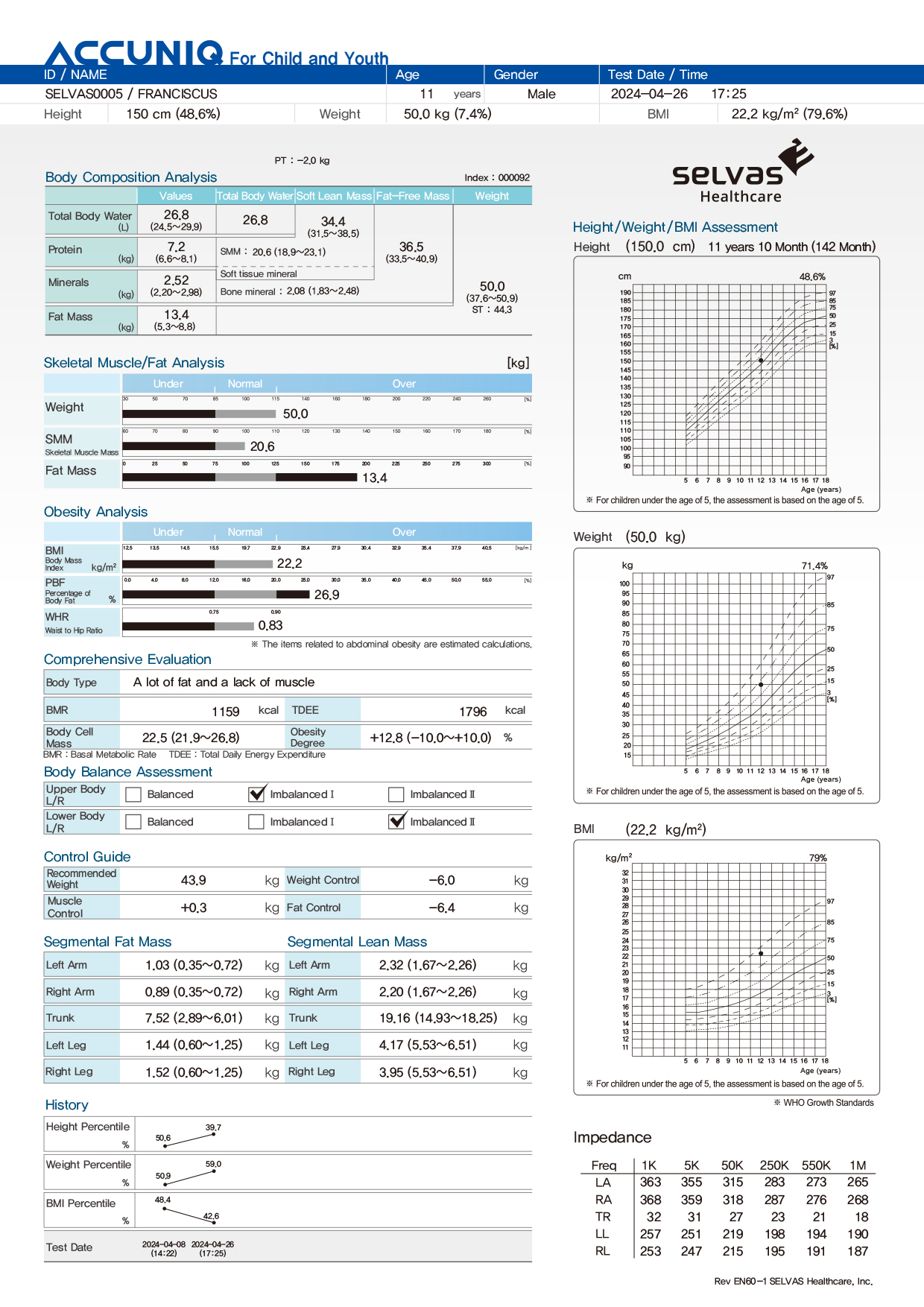
- Clothes Weight (PT): This feature allows the weight of the user's clothing to be subtracted from the total measured weight for greater accuracy.
- Display Format: The adjusted value appears as "PT: -0.kg" at the top right of the body composition chart.