본문바로가기
  • Main
  • Product
  • Body Composition Analyzer
  • ACCUNIQ BC730

Product

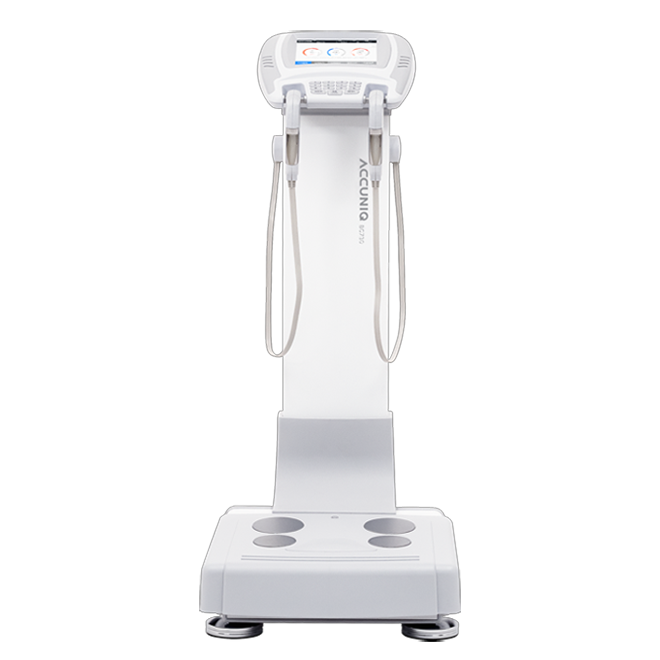
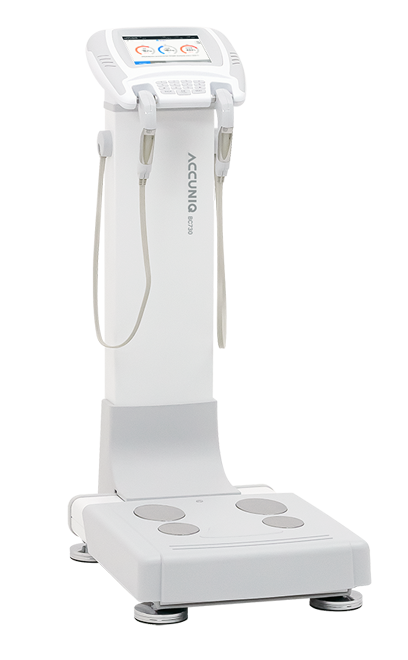
ACCUNIQ BC730

The premium Body Composition Analysis solution

The ACCUNIQ BC730 uses 5-frequency technology, including the 1MHz band, to perfectly analyze not only changes in muscle and fat but also cellular-level health status and nutritional balance. Professionals can advanced Total Body Water analysis metrics and sarcopenia assessment data at a clinical research level with a single measurement.

Purchase Inquiry

Feature

  • Precise Measurement with 1MHz Broadband 5-Frequency Technology

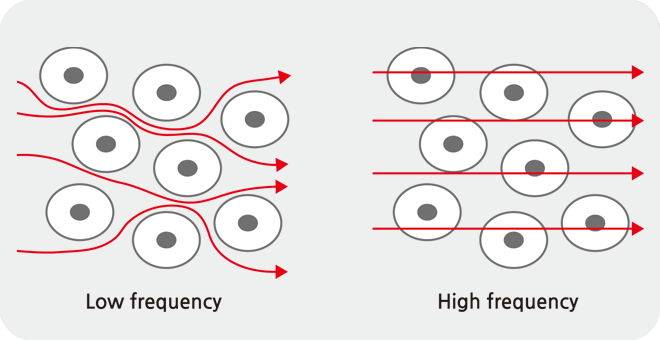
    Using five frequencies ranging from 5kHz to 1,000kHz (1MHz), it precisely distinguishes and measures intracellular and extracellular water. High-frequency penetration technology detects even subtle changes in Impedance as they pass through cell membranes, enhancing the reliability of the analysis.

  • Advanced Muscle Health Assessment (SMI & ASMI)

    Beyond simple Soft Lean Mass measurement, it calculates key indicators for diagnosing sarcopenia, SMI and ASMI.
    SMI: Assessment of Soft Lean Mass development for limb relative to height
    ASMI: Body Balance Assessment based on the ratio of limb Soft Lean Mass to weight

  • Cell Health Diagnosis Based on Phase Angle and Body Cell Mass (BCM)

    Provides Phase Angle values, which indicate the health of cell membranes, and Body Cell Mass (BCM) indicators, which are directly linked to Protein and Intracellular Water. This allows for an objective assessment of the subject’s cellular nutritional status and physical activity level.

  • Comprehensive Obesity Analysis and Visceral Fat Analysis

    It performs a detailed analysis of abdominal obesity types by individually calculating Visceral Fat Levels, Visceral Fat Area, Visceral Fat Mass, and Subcutaneous Fat Mass. Through a multi-angle analysis combining Waist Circumference and Waist to Hip Ratio (WHR), it establishes a benchmark for the prevention and management of lifestyle-related diseases.

  • Smart Integrated Diagnostic System (Integrated with Blood Pressure Monitor & Stadiometer)

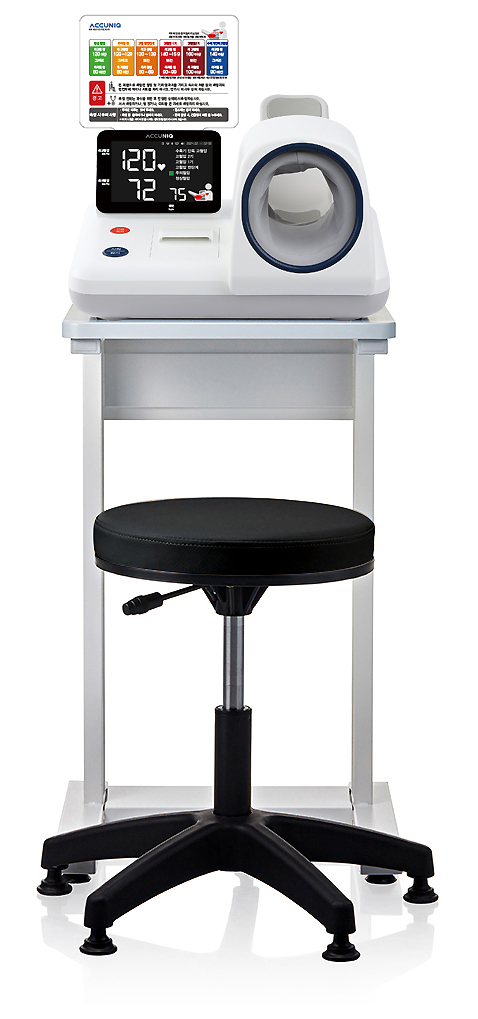
    Automatic Electronic Blood Pressure Monitor (Optional): Integrates blood pressure data into the body composition report, allowing for simultaneous management of cardiovascular health and body composition.

  • Ultrasound Stadiometer Measurer (Optional)

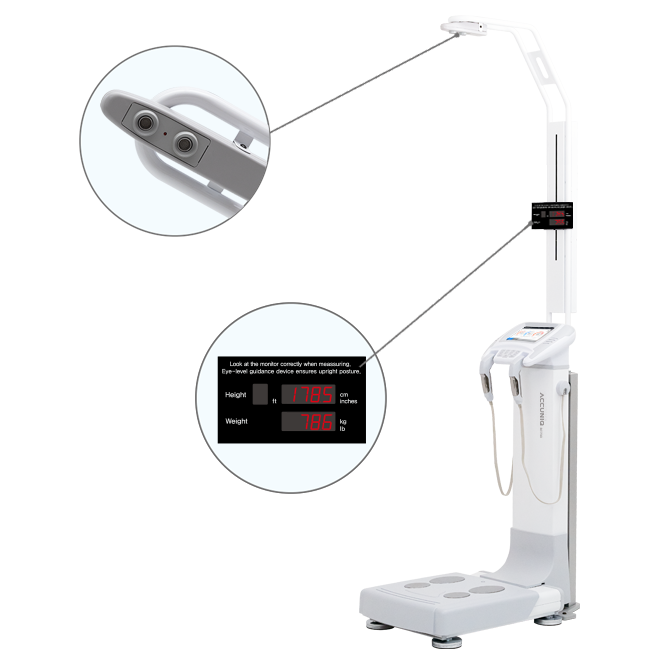
    Automatically measures height using an ultrasound sensor (SM103), reducing the hassle and errors associated with manual input.

Product Information

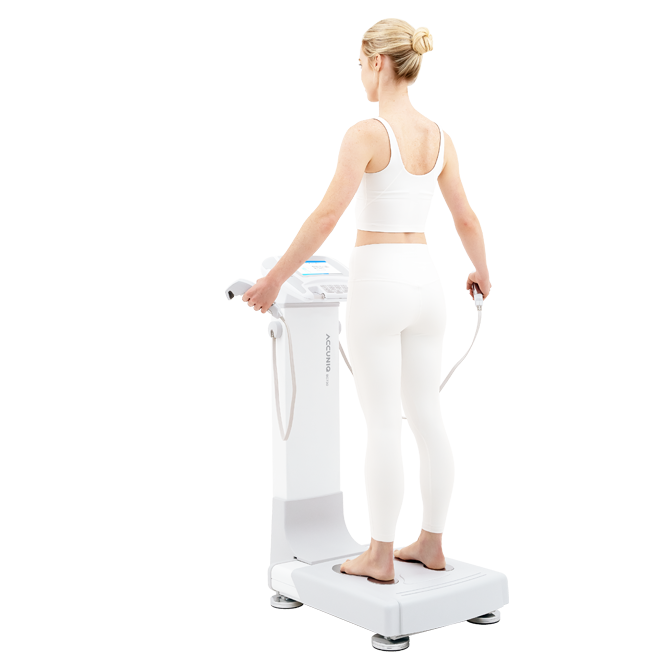
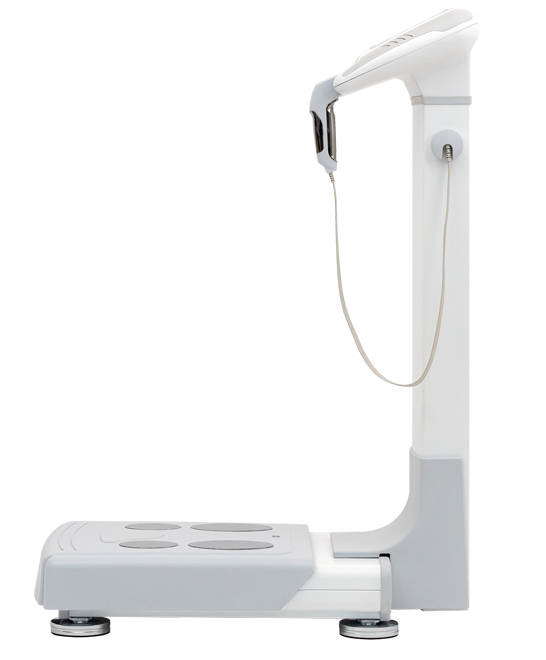
The ACCUNIQ BC730 is a professional Body Composition Analysis device that incorporates precision multi-frequency measurement technology.Using advanced impedance analysis technology based on microcurrents, it goes beyond simple Fat Mass measurement to calculate multi-dimensional indicators that provide a comprehensive view of physical condition, including precise Total Body Water analysis, sarcopenia assessment indicators (SMI/ASMI), and advanced Research Content.In particular, through professional Total Body Water reports, it precisely provides the intracellular-to-extracellular water ratio (ECW Ratio) by body region, offering the optimal solution for scientifically diagnosing the body’s water balance and cellular nutritional status.


(The height of the model is 170 cm)

Product Support

User Manual
Precise Segmental Body Water Analysis based on 1 MHz ultra-high frequency

It precisely measures body impedance using five multi-frequencies ranging from 5 kHz to 1,000 kHz (1 MHz).
It individually calculates Intracellular Water (ICW) and Extracellular Water (ECW) for five body regions (Left Arm, Right Arm, Left Leg, Right Leg, and Trunk).
In particular, it provides a clinical indicator that allows for the indirect estimation of fluid imbalance and nutritional risk through the Extracellular Water Ratio (ECW Ratio).

A multi-dimensional body composition chart covering obesity and muscle health

It provides advanced reference data for assessing sarcopenia through the SMI (Skeletal Muscle Index relative to height) and ASMI (Skeletal Muscle Index relative to Weight).
By cross-analyzing FFMI (Fat Free Mass Index), which represents the proportion of muscle, and FMI (Fat Mass Index), which represents the proportion of fat, it evaluates the subject’s actual nutritional status and the quality of their body composition beyond simple weight measurement.

Objective Diagnosis of Cellular Health and Nutritional Status

It provides not only protein and mineral levels but also Body Cell Mass (BCM) and Phase Angle indicators, which reflect health at the cellular level.
By quantifying the body’s qualitative nutritional status, it provides detailed baseline data to support in-depth consultations and analysis by experts.

In-Depth Obesity Analysis of Abdominal Data

It precisely analyzes the risk of abdominal fat through the Waist to Hip Ratio (WHR), Visceral Fat Area (VFA), and Visceral Fat Level (VFL).
In particular, it independently calculates Visceral Fat Mass (VFM)—located between abdominal organs—and Subcutaneous Fat Mass (SFM)—accumulated beneath the skin—to provide an intuitive and systematic abdominal management guide.

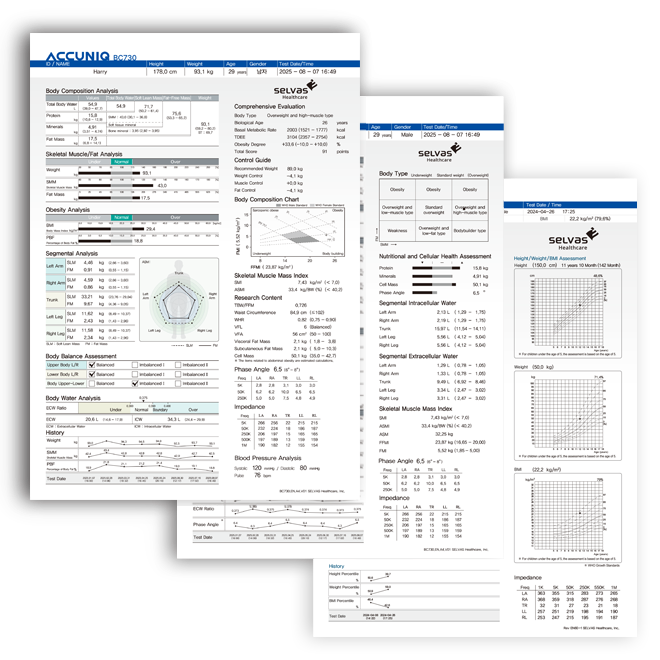
3 Types of Specialized Reports Tailored to Your Needs

You can enhance professionalism by selecting reports optimized for the purpose of the examination and the consultation subject.

• Body Composition Report: A standard report for comprehensive management of overall physical condition, including muscle, Fat Mass, and Obesity Analysis.
• Body Water Report: A specialized report focused on analyzing water balance—including intracellular and extracellular water ratios and edema indices—tailored for clinical nutritional status or dialysis/rehabilitation management.
• Pediatric Report (Optional): This report is optimized for monitoring the proper growth of children and adolescents, including growth curves and physical development indicators.

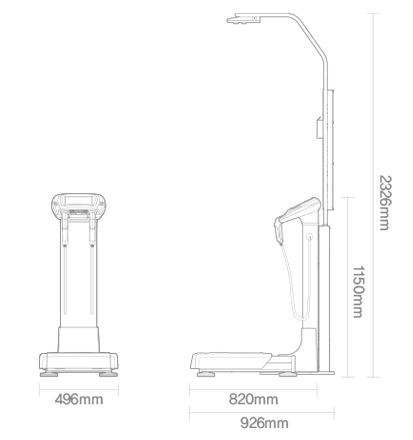
Ultrasound Stadiometer SM103 (Dedicated Option)

Designed exclusively for the ACCUNIQ BC730, it is equipped with a high-precision ultrasound sensor.
It automatically measures height within the 110 cm to 200 cm range, creating a Body Composition Analysis environment free of data errors.

• Manual input range: 50–220 cm
[Note] SM103 is sold separately as an optional item.

Smart Integration with Automatic Electronic Blood Pressure Monitors

By integrating with the ACCUNIQ automatic blood pressure monitor, blood pressure (systolic and diastolic) and Pulse data are reflected in the system immediately upon measurement.
Body composition information and cardiovascular data can be viewed together on a single report, enabling more efficient health management.

• Supported Products: ACCUNIQ BP654, BP600, BP500, BP210, BP250, BP850
[Note] Blood pressure monitors are sold separately as optional items.

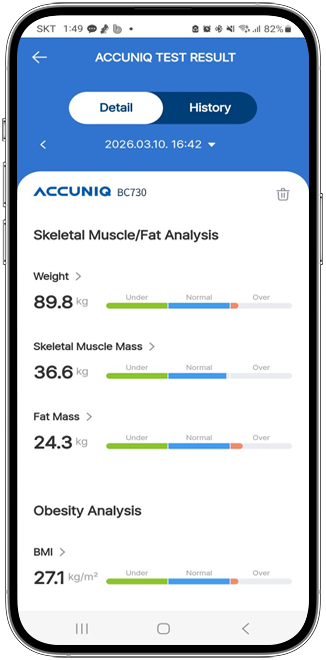
ACCUNIQ Connect Mobile App Integration

After measurement is complete, scan the QR code printed on the touchscreen or result sheet using the dedicated "ACCUNIQ Connect" app to immediately view and manage your health data on your smartphone.

• This mobile app is an additional service designed for the cumulative management and convenience of measurement data.

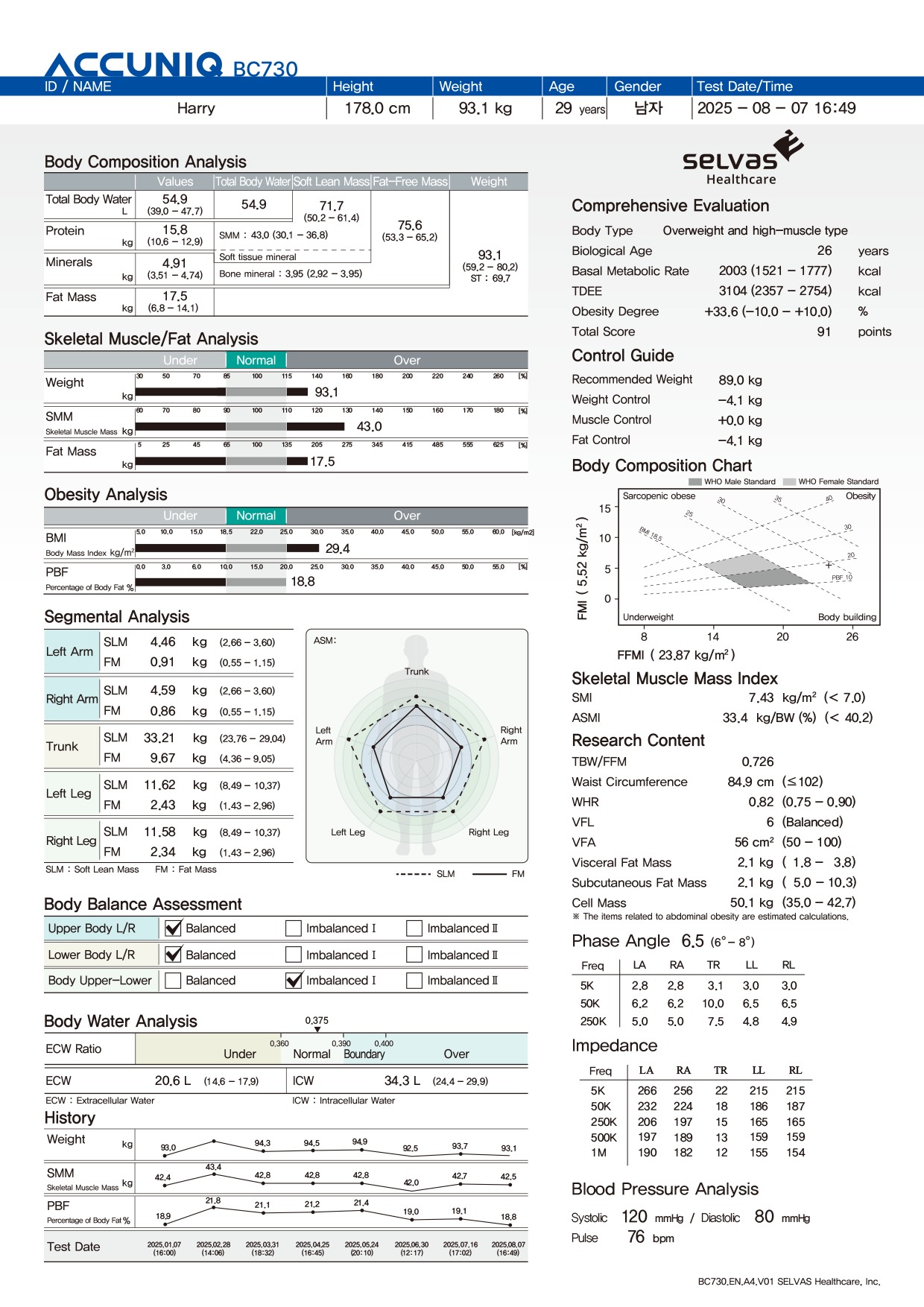
Items provided in the body composition result sheet
  • 1

    Body Composition Analysis

    Categorizes the human body into Total Body Water, Protein, Minerals, and Fat Mass. The quantity and ratio of these components serve as essential indicators for assessing overall health status.

  • 2

    Skeletal Muscle / Fat Analysis

    Graphs Body Weight, Skeletal Muscle Mass, and Fat Mass to illustrate the proportion of muscle to fat relative to total body weight.

  • 3

    Obesity Analysis

    Provides BMI (Body Mass Index) and PBF (Percentage of Body Fat) for comprehensive obesity assessment. Analyzing both external physique (BMI) and actual fat distribution (PBF) ensures a more accurate diagnosis.

  • 4

    Segmental Analysis

    Evaluates muscle and fat distribution across five body regions (left/right arms, trunk, and left/right legs). Data supports targeted exercise prescription and rehabilitation by identifying regional imbalances.

  • 5

    Body Balance Assessment

    Evaluates symmetry between the upper/lower body and left/right sides, categorizing results as Balanced, Imbalanced I, or Imbalanced II. Assessment is based on muscle distribution ratios across the body.

  • 6

    Body Water Analysis

    Calculates Total Body Water (TBW) by combining Intracellular Water (ICW) and Extracellular Water (ECW). An elevated Extracellular Water Ratio (ECW Ratio) may indicate fluid imbalance, often associated with edema, malnutrition, or circulatory issues.

  • 7

    History

    Tracks cumulative trends in Weight, Skeletal Muscle Mass (SMM), and PBF over the eight most recent measurements to monitor body composition changes over time.

  • 8

    Comprehensive Evaluation

    Provides body type classification, Total Score, Biological Age, and Obesity Degree. Nutritional guidance is offered by calculating daily caloric requirements based on BMR and activity levels.

  • 9

    Weight Control

    Suggests target adjustment values for weight, fat, and muscle mass to achieve an ideal body composition for the user's age. Values indicate recommended increases (+) or decreases (–).

  • 10

    Body Composition Chart

    Visualizes health status through height, weight, fat, and fat-free mass data. Utilizing SMI and ASMI indices allows for a quick and precise assessment of body composition quality and sarcopenia progression.

  • 11

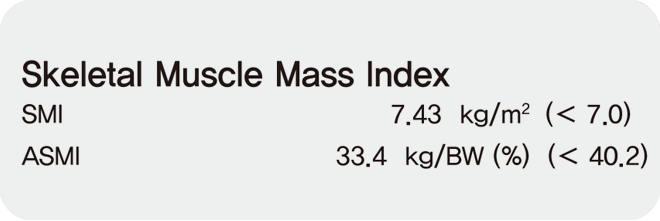
    Skeletal Muscle Mass Index

    SMI (Skeletal Muscle Mass Index) is an index of limb muscle mass relative to height (kg/m²) and is used as an indicator to assess sarcopenia. ASMI (Appendicular Skeletal Muscle Mass Index) is an index expressed as a ratio of appendicular muscle mass to body weight, and it is used as a supplementary indicator alongside SMI to assess sarcopenia.

  • 12

    Research Conten

    Provides advanced clinical metrics to support in-depth physiological analysis. These include TBW/FFM, Waist Circumference, and WHR, along with a detailed breakdown of visceral and subcutaneous fat (VFL, VFA, VFM, SFM). These indicators, including Body Cell Mass (BCM), serve as essential reference data for assessing nutritional status and metabolic health risks.

  • 13

    Phase Angle

    Acts as a non-invasive indicator of cellular health. High values signify robust cellular integrity and healthy cell membranes, while low values may suggest diminished energy storage or cellular vitality.

  • 14

    Impedance

    Displays electrical resistance values for five body parts across five frequencies (5 kHz to 1,000 kHz). Consistent impedance values across measurements verify the accuracy and reproducibility of the data.

  • 15

    Blood Pressure Analysis

    Integrates and displays blood pressure and pulse data when a compatible ACCUNIQ blood pressure monitor is connected.

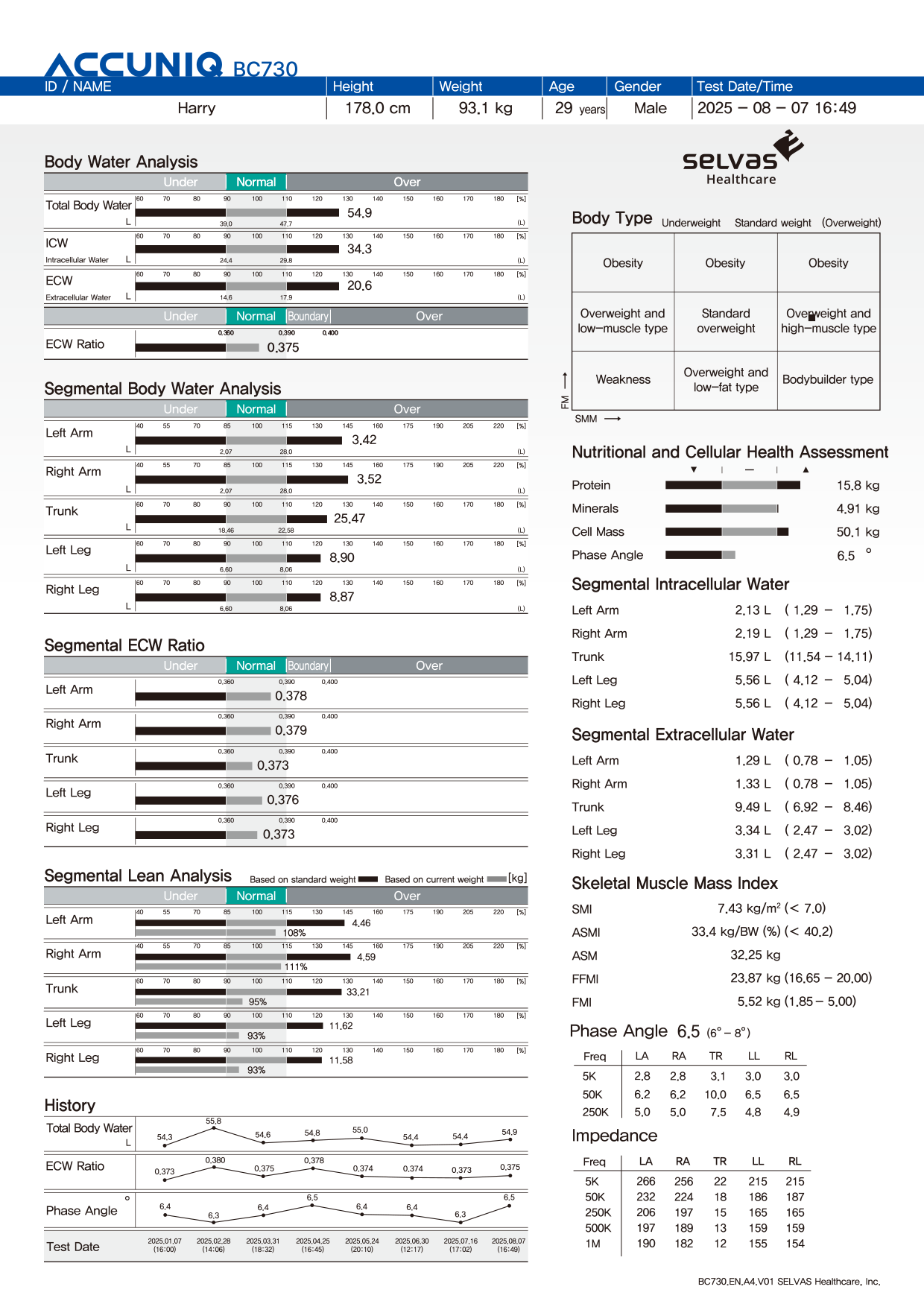
  • 1

    Body Water Analysis

    Calculates the ECW Ratio (Extracellular Water / Total Body Water) to evaluate fluid balance. A standard ratio typically maintains extracellular water at approximately one-third of total body water.

  • 2

    Segmental Body Water Analysis

    The body water levels and status of the subject by body part (arms, legs, torso) are displayed in a graph categorized as Below Standard, Standard, or Above Standard. On the graph, the standard value is 100%; the standard range for the arms is 85–115%, and the standard range for the torso and legs is 90–110%.

  • 3

    Segmental ECW Ratio

    The water balance status of the subject by body region (arms, legs, torso) is displayed in a graph categorized as Below Standard, Standard, Borderline, and Above Standard. The standard range for extracellular water distribution by body part is 0.360 or higher to 0.390 or lower; values exceeding 0.390 but not exceeding 0.400 are classified as borderline, and values exceeding 0.400 are classified as above standard.

  • 4

    Segmental Muscle Analysis

    This graph displays the muscle mass of the subject by body region (arms, legs, torso) based on both standard body weight and current body weight, categorized as below standard, standard, or above standard. Muscle mass based on standard body weight is shown in black, while muscle mass (%) based on current body weight is shown in gray.

  • 5

    History

    Cumulative data is presented in a graph to allow for a quick overview of the subject’s body composition changes, showing trends in body water, extracellular fluid, and phase angle. Data is displayed for 8 sessions; for subsequent measurements, data is deleted starting with the oldest entries.

  • 6

    Body Type Assessment

    Based on the subject’s weight, skeletal muscle mass, and body fat mass, the system determines the subject’s current body type from among 27 classifications. First, the subject’s type is indicated in parentheses (e.g., Underweight–Normal–Overweight), and the specific body type is represented by a square icon.

  • 7

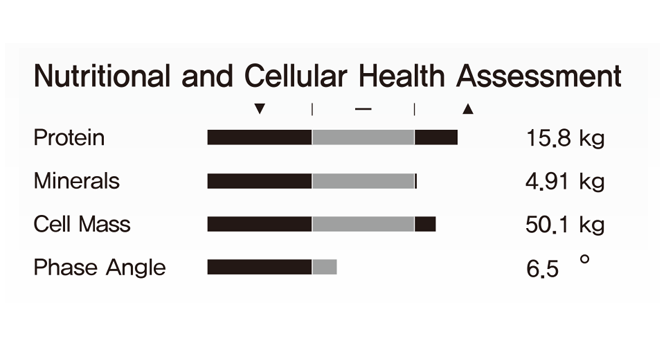
    Nutrition and Cellular Health Assessment

    Nutritional status is evaluated based on protein and mineral levels, which are key nutrients for immune and regulatory functions, while cellular health is assessed using cell count and phase angle.

  • 8

    Intracellular Water by Body Region

    Provides the values and standard ranges for intracellular water levels by body region (arms, legs, torso). Intracellular water is a metric directly linked to muscle mass and cellular health. As such, it can be used as a reference for assessing body composition status by region.

  • 9

    Extracellular Water by Body Region

    Provides values and standard ranges for extracellular water by body region (arms, legs, torso). When extracellular water accounts for one-third of total body water, body hydration is considered balanced. Therefore, by analyzing the distribution of extracellular water, one can indirectly infer conditions such as circulatory disorders or edema if the values fall outside the standard range.

  • 10

    Skeletal Muscle Mass Index

    Sarcopenia refers to a decrease in muscle mass and muscle strength resulting from aging, chronic diseases, and reduced physical activity. The ACCUNIQ BC730 provides SMI (Skeletal Muscle Mass Index), an indicator for evaluating sarcopenia, as well as ASMI(Appendicular Skeletal Muscle Mass Index), which is used as a correction factor for sarcopenia, along with FFMI (Fat-Free Mass Index) and FMI (Fat Mass Index).

  • 11

    Phase Angle

    This is an indicator of cellular health. A low phase angle indicates insufficient cellular energy storage capacity and issues with the electrical conductivity of the cell membrane, while a high phase angle signifies a high cellular mass and a healthy cell membrane.

  • 12

    Impedance

    Displays impedance by frequency and body region. Impedance is the resistance value generated when an electric current is passed through the body, and each individual has a unique value.
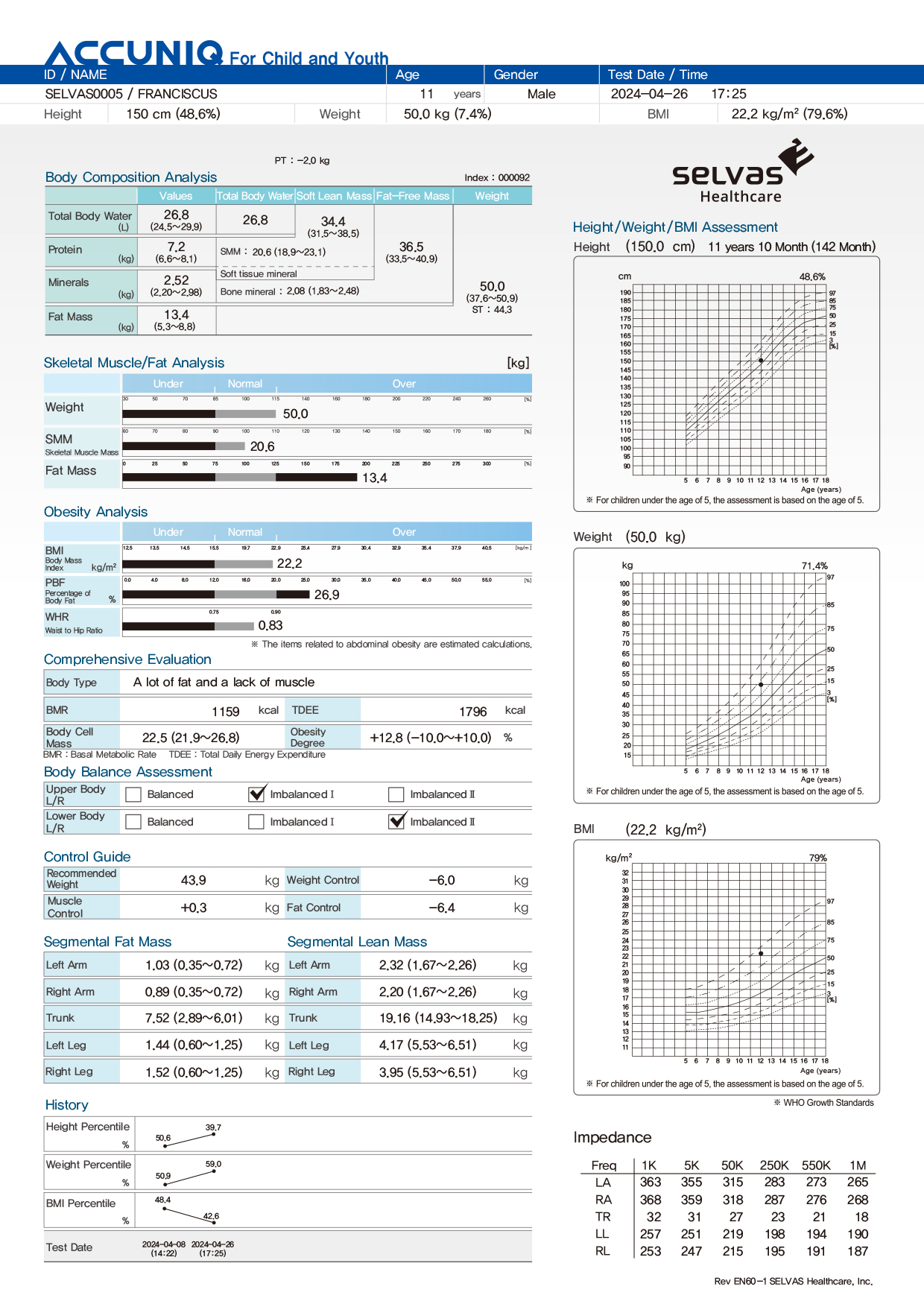
  • 1

    Body Composition Analysis

    Displays measurement results and recommended ranges for body water, protein, minerals, and body fat, which make up the human body.

  • 2

    Skeletal Muscle/Body Fat Analysis

    Displays body weight, skeletal muscle mass, and body fat mass in a graph, along with recommended ranges. Skeletal muscle mass refers to the muscles attached to the bones that form the skeleton, accounting for approximately 60% of total muscle mass. Body fat mass is broadly classified into essential fat and stored fat and is used as an indicator for diagnosing obesity alongside BMI.

  • 3

    Obesity Analysis

    It displays BMI (Body Mass Index), body fat percentage, and abdominal obesity rate—key indicators for obesity assessment—in graph form. For an accurate diagnosis of obesity, it is recommended to analyze both BMI, which considers external physical characteristics, and body fat percentage (PBF—Percentage of Body Fat), which reflects the distribution of body fat.

  • 4

    Comprehensive Evaluation

    This provides information on body type classification, basal metabolic rate, daily caloric requirements, cell mass, and obesity level.

  • 5

    Body Balance Assessment

    The balance of the left and right sides of the upper and lower body is indicated in three levels—balanced, mild imbalance, and imbalance—according to our assessment criteria.

  • 6

    Weight Management

    This is the total weight management target, calculated by adding the fat management target and the muscle management target. A value of (-) indicates weight loss, while a value of (+) indicates weight gain.

  • 7

    Body Fat/Muscle Mass by Body Region

    The subject’s body fat and muscle mass are broken down by body region (arms, legs, torso). The standard range is indicated in parentheses.

  • 8

    Growth Curves

    Growth curves for weight, height, and body mass index (BMI). The Korean pediatric growth curves were created based on the Korea Centers for Disease Control and Prevention’s [Guidelines for the Use of Growth Charts for Children and Adolescents]. For each item, the horizontal axis at the bottom displays age, and the vertical axis on the left displays physical measurements (height, weight, body mass index). This allows for the evaluation of relative growth in height and weight among children and adolescents of the same age, as well as the comparison and prediction of physical conditions based on age. The 50th percentile on the graph represents the standard physical growth index.

  • 9

    Impedance

    Displays impedance by frequency and body region. Impedance is the resistance value generated when an electric current passes through the human body, and each individual has a unique value.
Product specifications
Measurement (electrode) Mmethod
4-electrode method using 8 contact electrodes
Measurement Items
5 types of frequency (5kHz, 50kHz, 250kHz, 500kHz, 1000kHz)
Whole body and 5 segments (Left arm, Right arm, Left leg, Right leg, Trunk)
Weight Measurement Range
10 kg to 270 kg
Product Weight
Main Body: Approximately 44 kg
Equipped with Ultrasound Stadiometer SM103: Approximately 70 kg
Input Device
8.4-inch Touch Screen, Keypad
Transmission Media
RS-232C, USB, Bluetooth® adapter (Optional), Bluetooth® serial adapter (Optional), Wi-Fi adapter (Optional), USB-to-Ethernet adapter (Optional)
Result Check
8.4-inch LCD screen, A4 result sheet, thermal result sheet, data management program (ACCUNIQ Manager for Windows), mobile app (iOS, Android), web page
Basic Components
Main body, USB memory (user manual and data management program), power cable and adapter, USB cable, M8 bolts, 5mm hexagon wrench, body hinge cover
Optional Items
Total body water result sheet and result sheet for child, Automatic electronic blood pressure monitor, blood pressure monitor cart, Bluetooth® LE / Bluetooth® connectivity available through the RCPORT-TD420 Serial Remote Device, ultrasonic Stadiometer SM103
Intended Use
A device that calculates body fat by giving energy to the human body by the impedance method

※ The above information is subject to change without notice to improve appearance
and product performance.

※ This product is a ‘medical device’, so please read ‘Precautions for use’
and ‘How to use’ carefully before use.